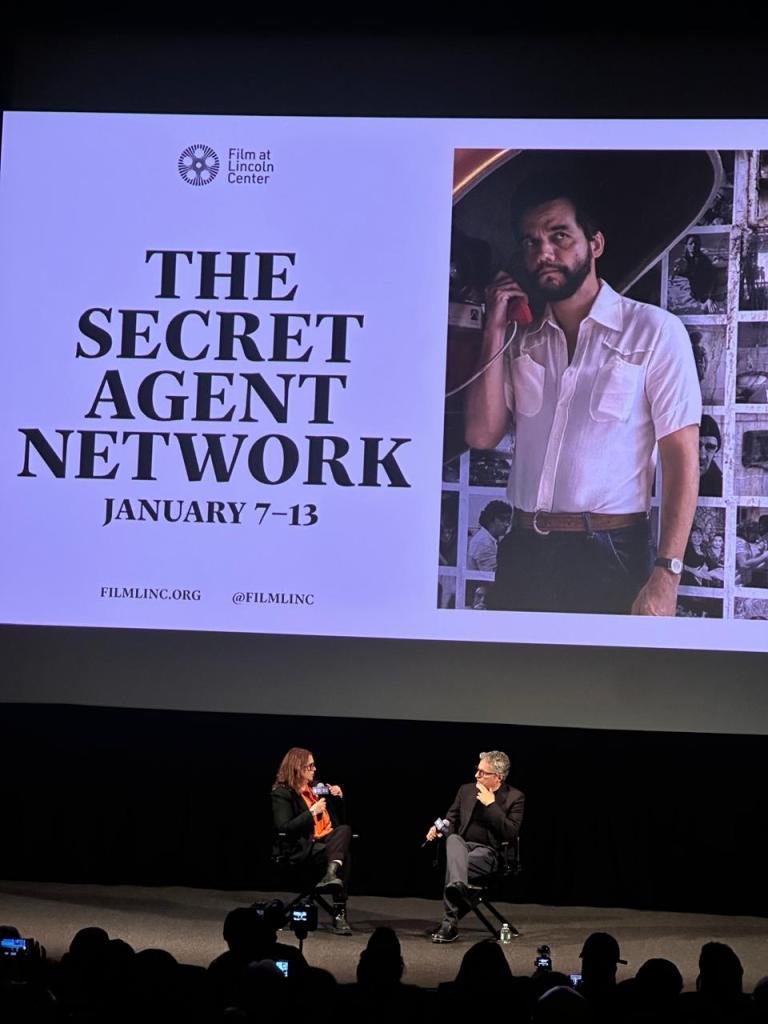
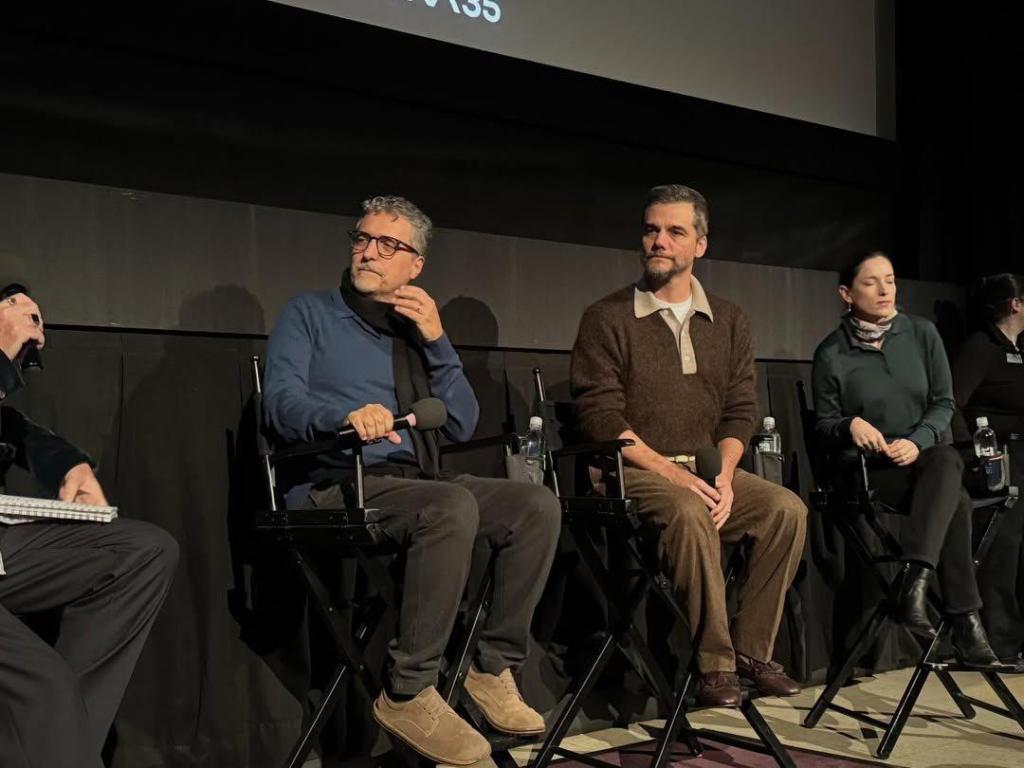
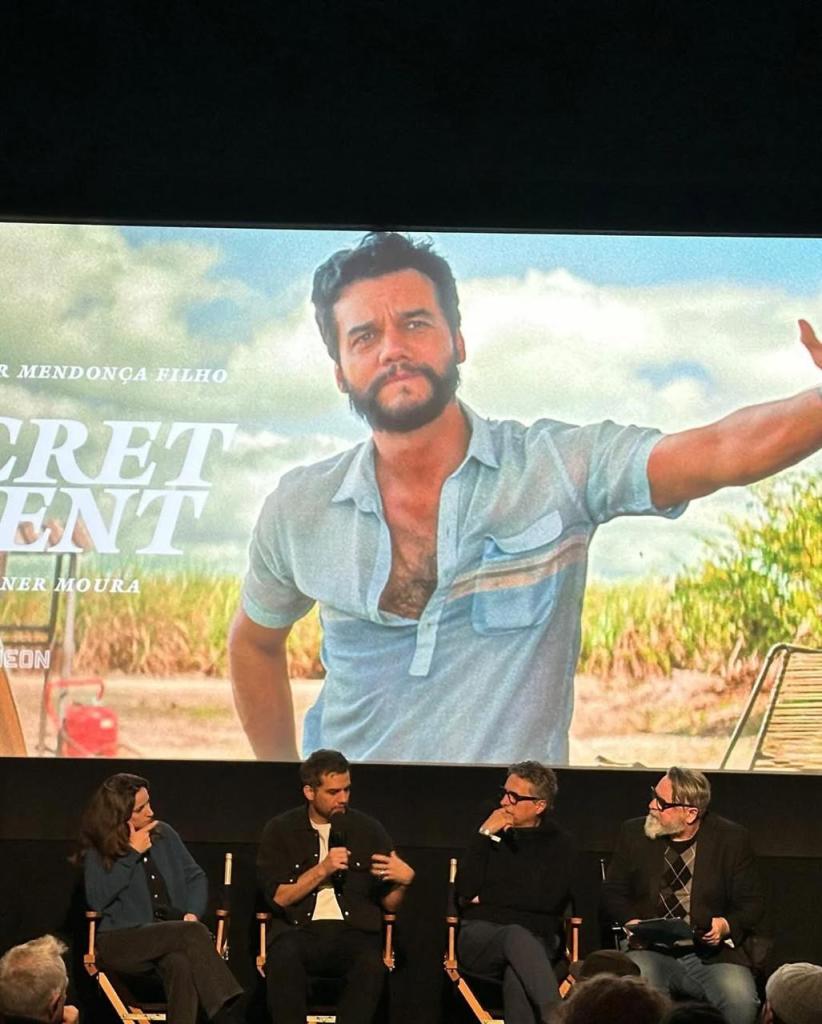
Text and images by Nia Engrassi.
The first time The Secret Agent played in front of an audience was at the 2025 edition of the Cannes Film Festival, where it was afforded four awards.
The Brazilian political thriller directed by Kleber Mendonça Filho has since received many accolades, including four Academy Award nominations, and both the Critic’s Choice Award and Golden Globe for best foreign language film.
Cinema Tropical, a New York-based promoter of Latin American cinema in the U.S.,, is responsible for making sure The Secret Agent keeps reaching audiences.
At the head of the mission is Natalia Hernandez Moreno, a Colombian graduate student at New York University’s Tisch School of the Arts.
We talked about the process of distributing this film, and what it means for Latin American cinema at large.
Tell me a little bit about your role at Cinema.
My title is outreach director. Basically, my branch within Cinema Tropical, which is a very small team, is to build audiences and connect people who are interested in knowing more about Latin American cinema or in watching new Latin American or Latinx movies in New York, but who don’t know very well how to do it or where to find them.
I’m in charge of connecting our events with audiences. The audience is already there, you just have to connect them and be able to distribute the information in the best possible way.
When you say events, what do those look like?
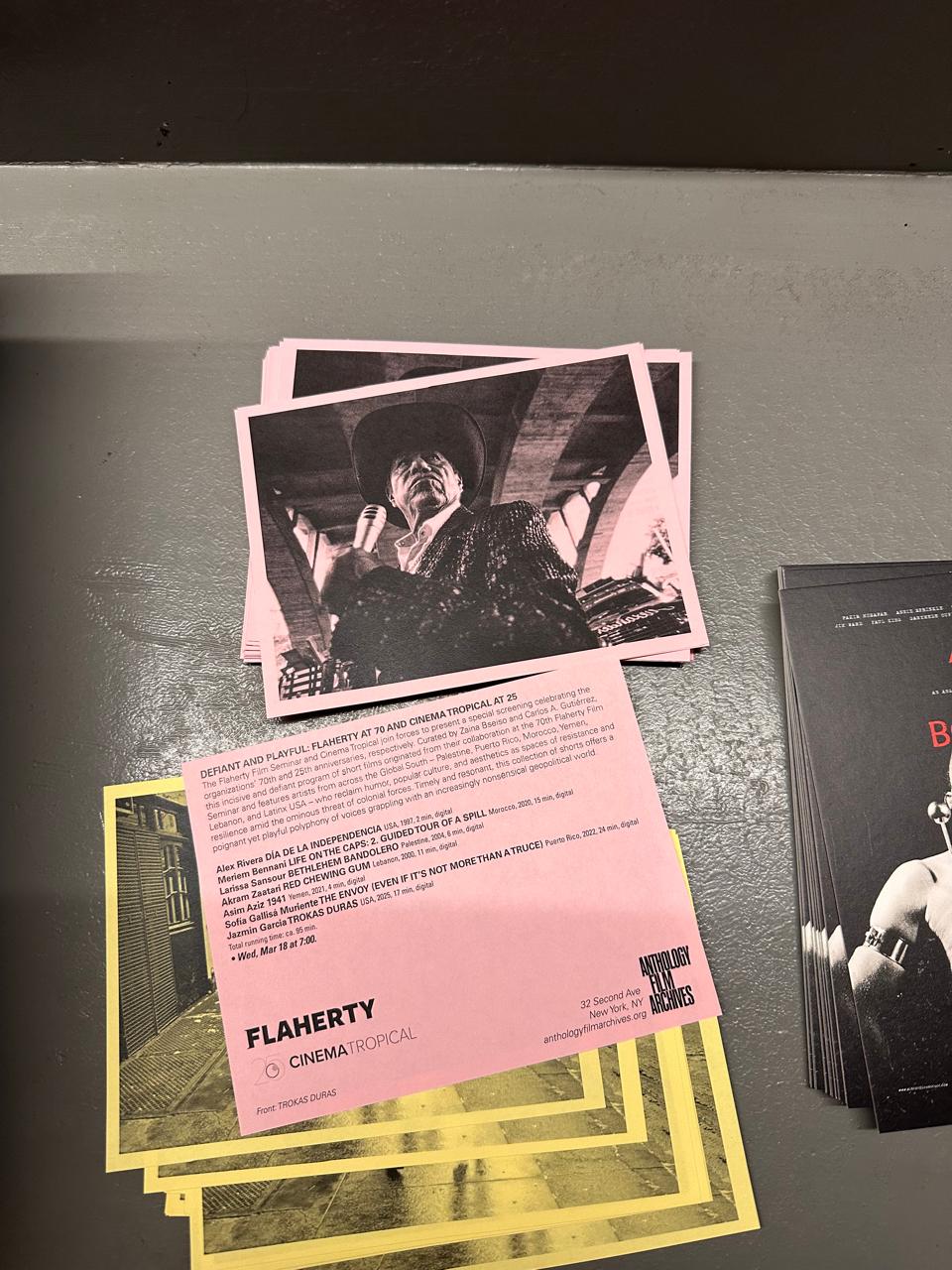
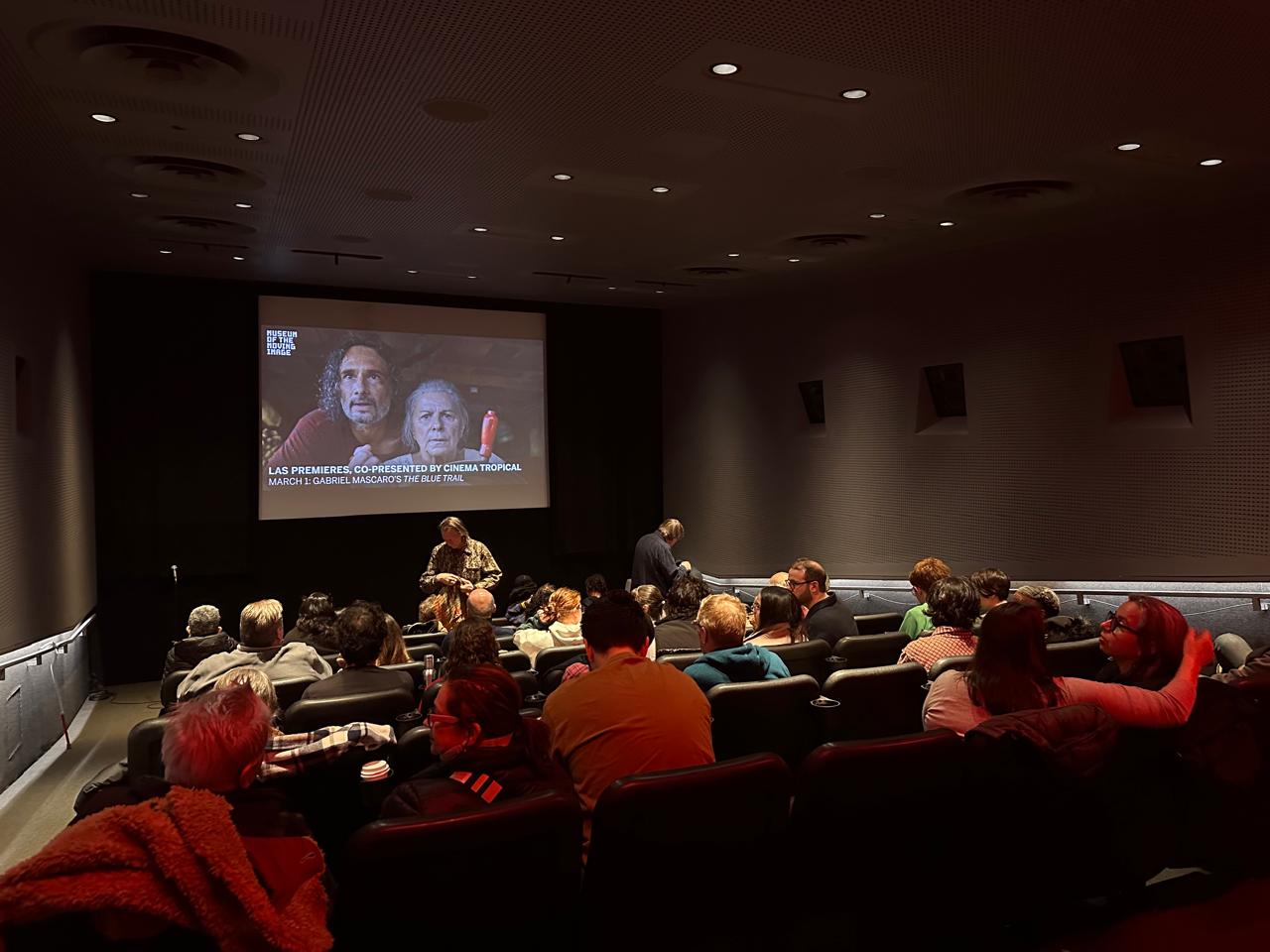
In New York, we have a series at the moment with Anthology Film Archives. It is a film cycle where we project a Latin American film every month that has not been projected before in New York, which has not had its New York premiere.
It is an opportunity for audiences to see films that have had a very good trajectory in festivals or amassed international recognition, but that remain in the radar of the festival and then do not ensure distribution.
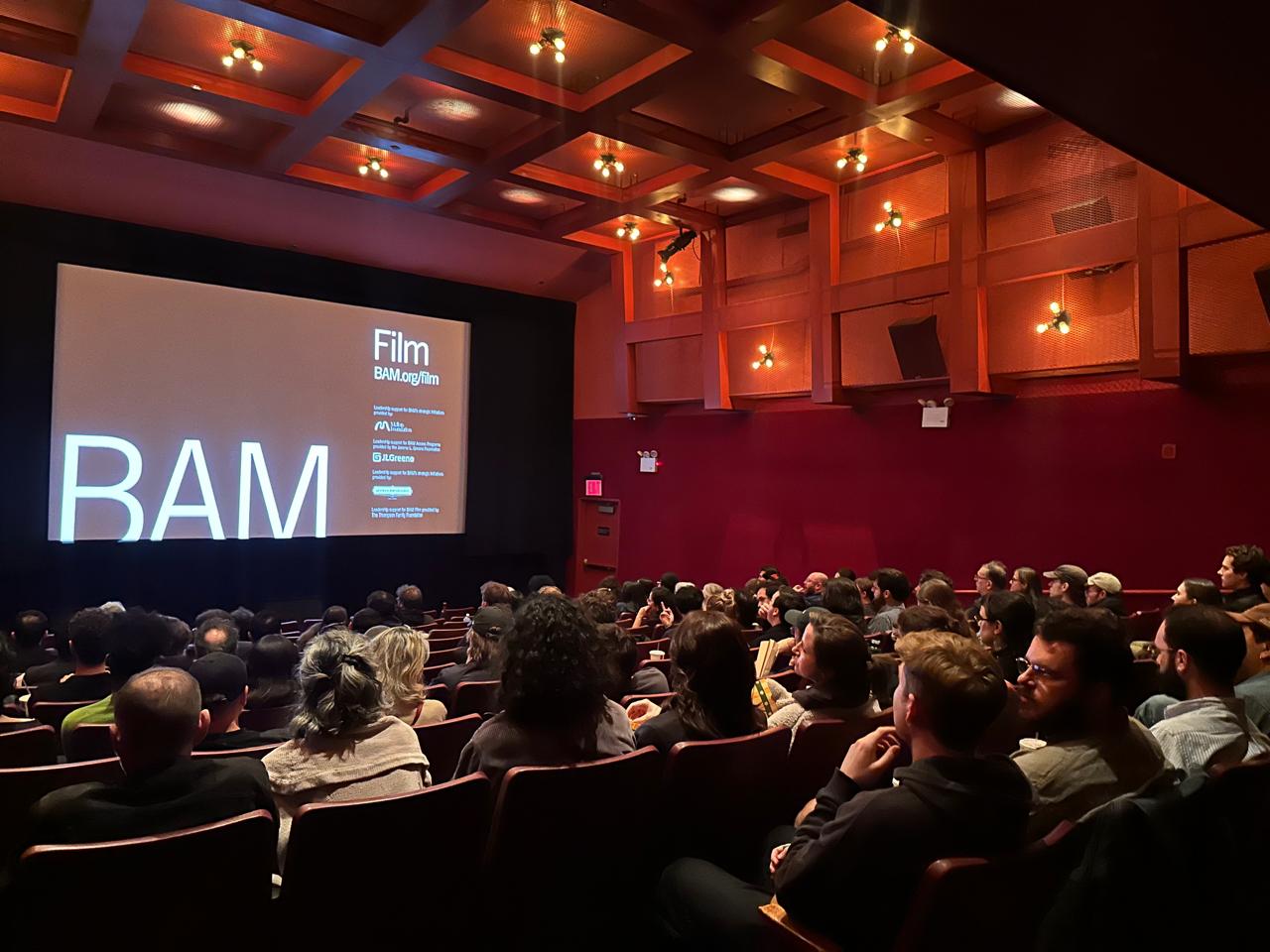
What does the distribution process for The Secret Agent look like in concrete terms?
Well, this case is a little unique, because, first, it was bought by Neon, which is one of the most important distributors at the moment and has a higher budget for international cinema.
They also bought it just when it came out of Cannes, so it had an immediate validation.
What Neon wanted was for us to intensify a campaign where there was the pride of having a Brazilian film, a Latin American film, in the awards season, competing with excellent international cinema.
We started playing this campaign with outreach initially, contacting Brazilian communities in New York, in Los Angeles, in the cities where it was premiering. Basically connecting those audiences who were not necessarily cinephiles, or who are not so interested in the world of cinema or culture, but who like to be in contact with their Brazilian culture, living in the United States.
We produced material in Portuguese, which was also very important for them.
Our role within the campaign was connecting the film with its Brazilian audience and creating that perspective for voters, for viewers, of a film that beyond being good cinema, or being a very significant cinematographic experiment, is above all a cultural product, a cultural milestone.
And in this film, what was the result?
The result was that the campaign progressively grew in the United States, beyond the critical recognition of the film.
The media perspective was that it was an important campaign for Brazil, that it was a film that had been supported from the Brazilian pride for its cinema, and what we did with Neon was creating a kind of slogan of the campaign, which is called Take a Stand. The importance of Brazilian cinema, and the importance of not only awarding and publishing about Latin American cinema, but creating that conversation of why this type of production deserves to be in the award season conversation.
Although in the end, of course, the film did not win any of the statuettes it was nominated for, I feel that the fact of the nominations and of being so present in the advertising media radar, in the collective imaginary of award season, did a lot for the film, did a lot for Brazilian cinema.
It opens the door to all Latin American films that later want to follow this same model, or adapt a model to its form. It left the appetite open for more audiences to be interested in Latin American cinema.
What is the actual impact of an award nomination on the distribution campaign?
Movies come out of a season of festivals, for example, and the Cannes logo, the Berlin logo, the Venice logo, is always the first part of the promotion of a big movie and a budget.
And then the second part of the validation are the logos like “Cannes nominated.”
At the end of the day, it still matters, of course, because we are still talking about the Oscars, even though they are increasingly criticized or rethought. They are still the mainstream way of validating certain aspects of different movies.
What do you think is next for Latin American cinema?
Something that I find very interesting about The Secret Agent is that it’s a movie of a supremely significant moment in Brazil, which talks about the dictatorship without mentioning it a single time, in almost three hours.
It’s a very rich movie because it can reflect on memory, proposing routes that are not at all obvious and quite complex, where the question is always open, but I feel that this means, this type of movies, not only in Brazil, but in all of Latin America.
I think that the question of historical memory and how memory is being built in Latin America is something supremely important and that it is significant and that it unites us as a region in the best and saddest way possible.
That question of memory, that question of how not to forget, how to archive certain things, is something that I see will be very present.
 Dreams Are Made Of
Leave a comment