Text and images by Yuna Kim.
From the basement kitchens of Flushing to the storefronts in the South Bronx, New York’s culinary soul is found in the ma-and-pa shops serving up recipes from all around the world.
Just as the two friends behind tastebuds_nyc have shown, you could throw a dart at a map and find a small hole-in-the-wall restaurant from that country somewhere in the five boroughs.
And yet, these ma-and-pa restaurants are dying.
With increasing costs of operations, successfully running a restaurant is becoming financially infeasible. Unless, of course, you’re funded by a private equity firm with billions to make dining out a “content-ready” experience via aesthetics and exclusivity.
Gone are the days when a restaurant simply could serve a hot plate of food with a smile and a “Please come again.”
Now, everything — down to the music you play and the kitschy names of the menu items — must be a concept.
Which restaurants thrive and which die is at the whim of a TikToker with a “Come With Me to New York City’s Hottest Restaurant” video at their disposal, ready to deconstruct — or destroy — the experience for the sake of the feed.
Much like the music industry, creators are forcing restaurants to cater to influencing.
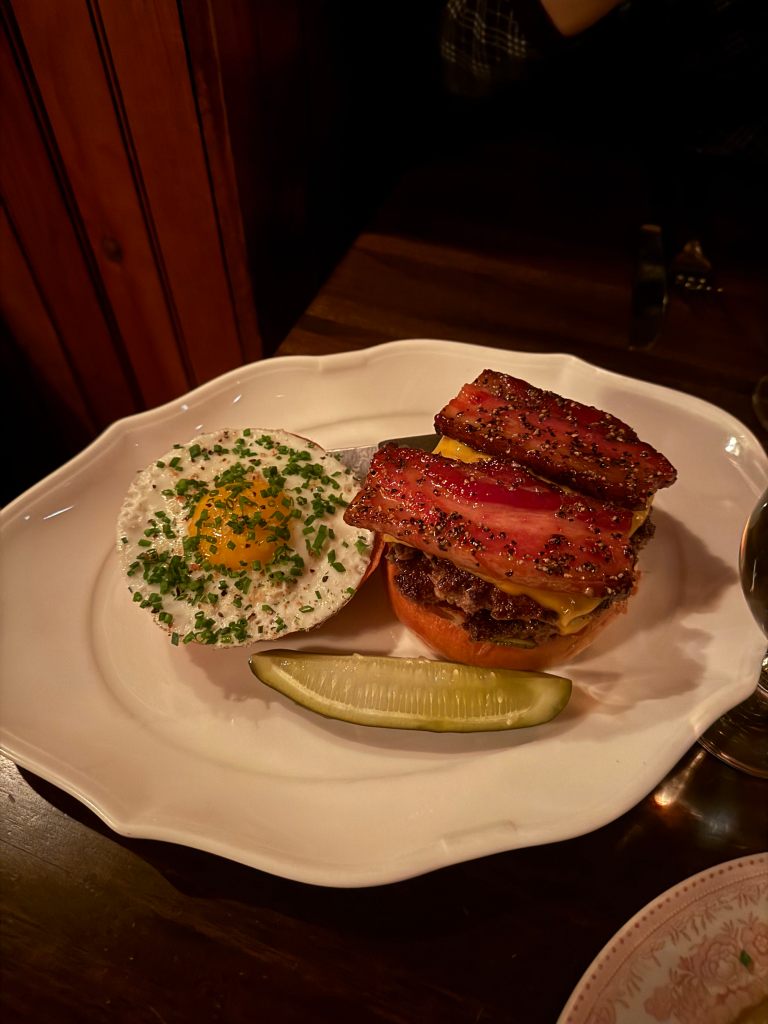
It’s less food-driven than it is performative — killing the industry’s diversity but also contributing to an inauthentic, almost-manufactured restaurant experience, all partaking in the same slicing-a-runny-egg-over-a-burger antics.
Restaurants are a trend rather than a staple in a neighborhood. And what’s worse is, all the ones that are thriving all seem to serve the same underwhelming, bland, blond-hair-and-blue-eyed Americana food.
Much like the state of everything else in New York City, the pandemic can be to blame. Pre-COVID, walking into a restaurant on a Friday night without a reservation was a breeze. A New Yorker’s right, even.
Reservations were for finance meetings at Jean Georges or Thomas Keller-owned restaurants, and Resy or OpenTable were simply convenient tools to book a spot in advance for when your family was visiting.
Now? Instead of a “Welcome,” you’re greeted with a “Do you have a reservation?”
And having no reservation guarantees a pitiful, condescending offer to put your name down on a list for a three-hour wait for a seat at the bar at 11 pm.
Exclusivity is just as — if not more — important for a restaurant’s brand than its food.
Take The Polo Bar, for example.
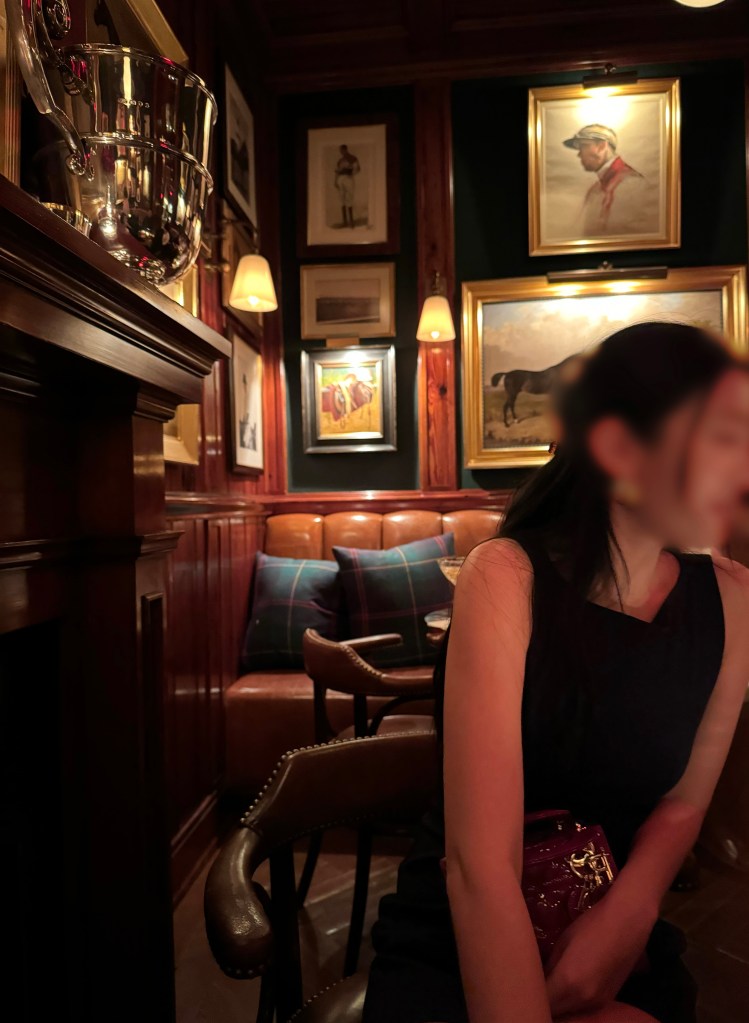
The Polo Bar was established in 2015 in Midtown Manhattan as a marketing offshoot of the Polo Ralph Lauren brand. Dimly lit with equestrian-themed paintings, the room is decorated with leather brown lounge chairs with just the right hint of patina to give it a vintage heirloom vibe. The Polo Bar feels more like a transplant from Ohio’s old money fantasy than an actual restaurant.
The food is unremarkable. Forgettable even. It’s the same martini, Caesar salad, and cheeseburger combo that’s popular amongst these private equity-backed restaurants.
So why the hype? It all comes down to exclusivity.
Reservations are made 30 days in advance and only by phone starting at 10:00 a.m.
Bryan Do, a dentist who attended New York University for two years for his endodontics specialty, spent two hours on hold to book a coveted spot at The Polo Bar in 2023.
“I had alarms set up and had multiple people try and call at the same time,” he says of the process. “This was the third time I was trying after failing twice before. It was for Kat’s [his wife’s] birthday, and it was pretty much get the reservation, or Kat gets mad.”
The birthday dinner was posted on Instagram to much fanfare of oohs and aahs. I would know. I was there that evening at The Polo Bar and subsequently boasted on my Instagram, garnering my own share of oohs and aahs.
Matthew Brown, a popular lifestyle and gym influencer on social media, also feels the pressure — but from his audience.
“I don’t even do food reviews or post my meals or anything like that,” he says. “But when I do a short vlog, I definitely include a restaurant that I know will get a reaction. It’s kinda like a high.”
It’s the high of envious clamor for snagging a reservation over actually experiencing the food of said restaurant.
“It’s almost like they expect influencers to go to these really exclusive or expensive restaurants,” he adds. “So, I only really post food if I actually go to them.”
With The Polo Bar coming up on its 11th year in the city, it is still one of the most difficult reservations to snag in New York City — despite its spectacularly mediocre food.
At least on TikTok it is.
Along with Monkey Bar, The Corner Store, 4 Charles Prime, Via Carota, Torrisi, and The Grill. A quick glance at the menus of all these spots, you can’t help but notice that all the food is white, Western cuisine. American or Italian.
And not a spice in sight.
Maybe it’s not coincidental that all the influencers championing these Western restaurants all backed by the millions of the likes of Major Food Group and Catch Hospitality Group are mostly white.
Then, you begin to see why the restaurant Semma, despite serving one of the city’s most innovative Indian spreads, on top of being Michelin-starred, does not quite have as much traction as the restaurants mentioned above.
It’s maybe the lack of a signature burger that caught Meg Radice and Audrey Jongens of the popular foodie account @theviplist off guard when they denounced Semma’s food as “drowned in mystery sauce.” Or when they mispronounced half the menu items while calling it as flavorless as Wonder Bread.
Maybe to them, flavor doesn’t really exist outside their corn-fed, all-American palate, made to order in a flashy, Instagrammable setting.
TikTok’s obsession with showing and telling has made everything that made New York City’s food scene exciting, innovative, and truly one-of-a-kind a victim.
We don’t need another Au Cheval in the city, nor do we need another over-priced Italian restaurant. If the current trajectory holds, the gems that define our city will continue to vanish — replaced by polished concepts designed to be seen, not tasted.
New York deserves better than a menu built for an algorithm.
It deserves food that leaves a mark on the palate, not just the feed.
 Dreams Are Made Of
Leave a comment