Text and images by Lauren Harris.
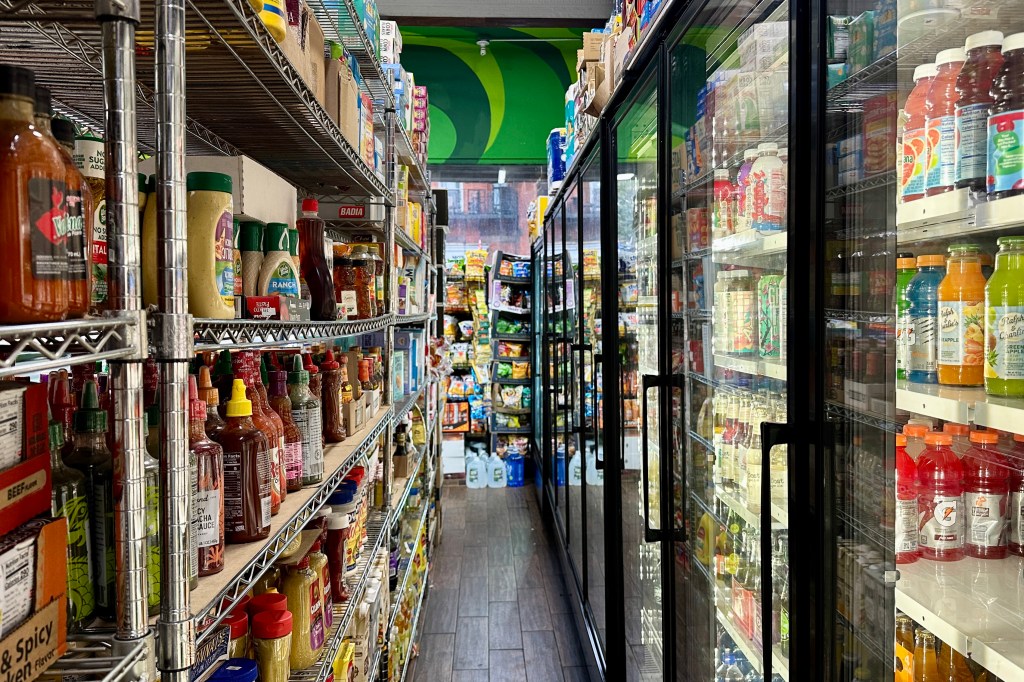
A 10-year bodega veteran and owner of Haji’s Famous Deli in Morningside Heights, Izzy Apeelaal, 27, looks younger than his years as he sips coffee, sharing wisdom across the counter.
“Especially in New York, you’ve got to work harder,” he said. “They used to come in, grab what they want, and not think about the price.”
But these days, as President Trump ushers in round after round of tariffs – part of a trend away from globalism, things are different. Many bodega owners are left holding on to the short end of the administration’s big stick diplomacy.
“Coffee has gone through the roof,” said Larry Sherri, the owner of L&M Deli in Chelsea, as he stocked Pringles tubes on shelves above a glass-top ice cream cooler.
Slim with grey hair, Sherri has been working in his family’s business for 35 years.
“We already got a notice from our purveyor that starting next year, due to the coffee crop situation, expect a 10% increase,” he continued. “That means everybody’s going to be paying more for a cup of Joe.”
Aakanshya Neupane, wearing a checkered shirt and sparkling smile, works the counter at Columbia Deli in Morningside Heights. She shared Sherri’s sentiment.
“Before the tariff… they used to charge us, like, $140-something for a case of coffee,” she said. “And then, after the tariff, they made it, like, $180. When they brought us the receipt, they’re like, ‘Sorry, we’re increasing our price from this to this because of the tariff. I hope you understand.’”
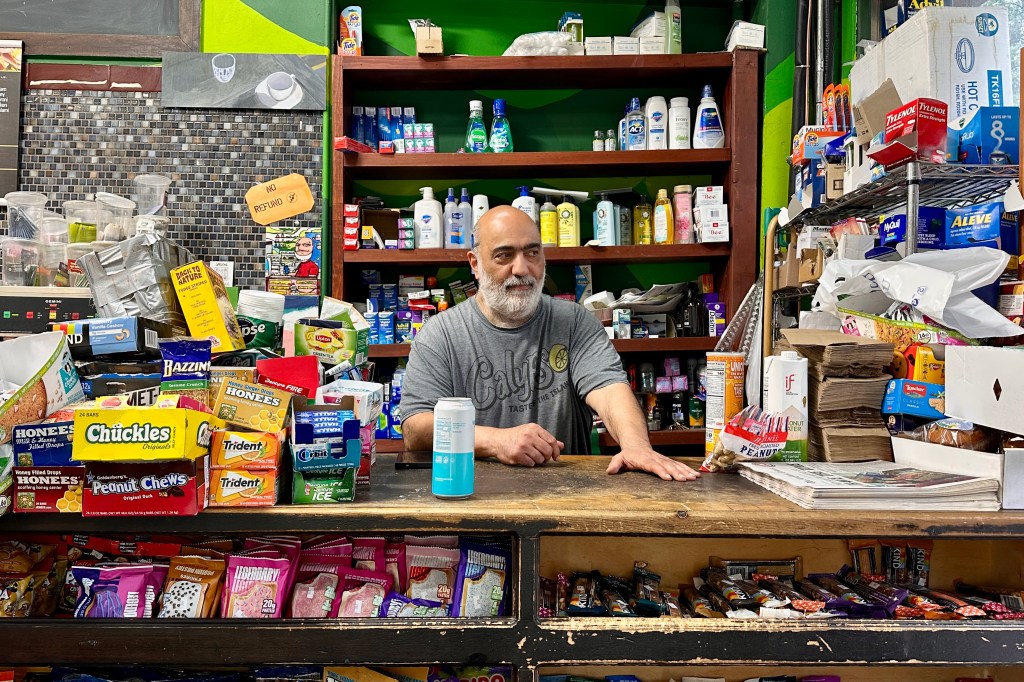
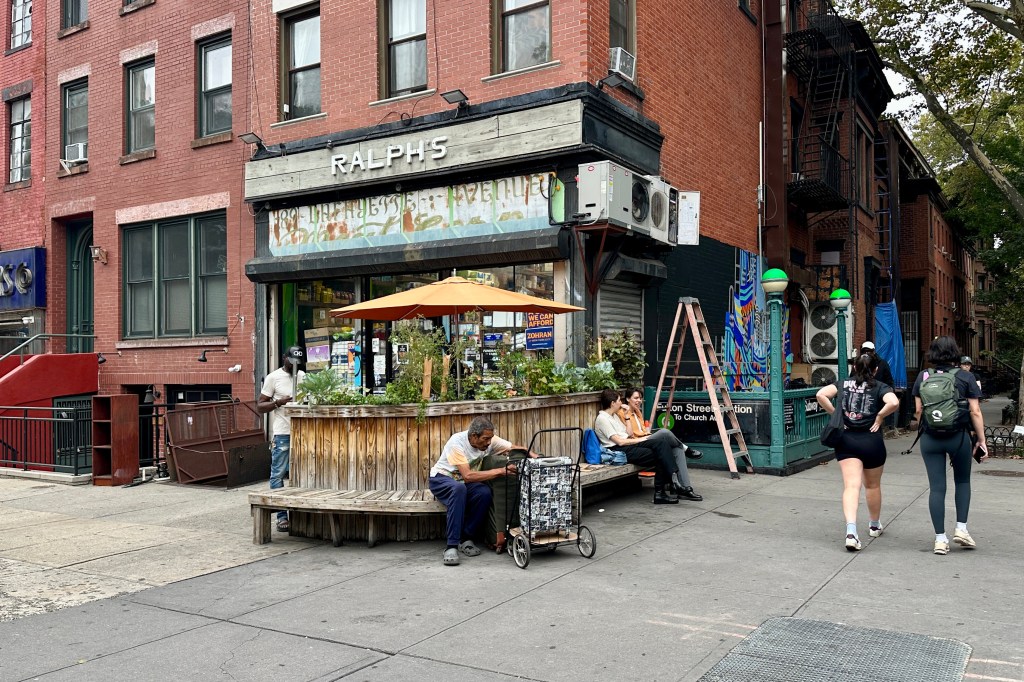
But many bodega owners, including Ralph Jawad, of Ralphs in Fort Greene, are finding it harder to understand while also staying in business. A large man with kind eyes that seem to say “I’ve seen it all,” Jawad has been slinging sandwiches and sodas since 1977.
“They’re affecting everything here,” Jawad said. “Now, you get a piece of cake that costs you maybe a dollar, and you sell it for $1.50. It went up. Instead of going up, like, a penny or a nickel, it’s going up twenty cents, thirty cents”
So instead of his profit margin being 50 cents, now it’s 20 cents.
“So you raise it once, then you raise it again and again,” he continued. “You know, it’s like every two weeks your prices are going up.”
When asked about the future, Jawad didn’t mince words.
“If he [Donald Trump] stays in power, we’re screwed,” he said.
J. Lawrence Broz, a professor of political science at UC San Diego and expert on trade politics, confirmed that the bodegueros’ experiences are, at least in part, the fallout of tariff policies and that, if the tariffs stay in place, relief will be scant.
“Brazil’s tariffs are up 50 percent and that has to affect coffee prices,” Broz mused. “Coffee is one of these goods that are not produced in the US, that we have to import because our climate and our soil are not suitable for growing these kinds of crops.”
He noted that bananas are similar – more than 90 percent of bananas in the US are imported from Central America.
“Those costs are going to go up right away,” Broz added, noting this will hurt the bodegueros. “They have such slim margins. They really can’t absorb the cost of the tariffs without passing them on to the consumer, and that’s a big issue.”
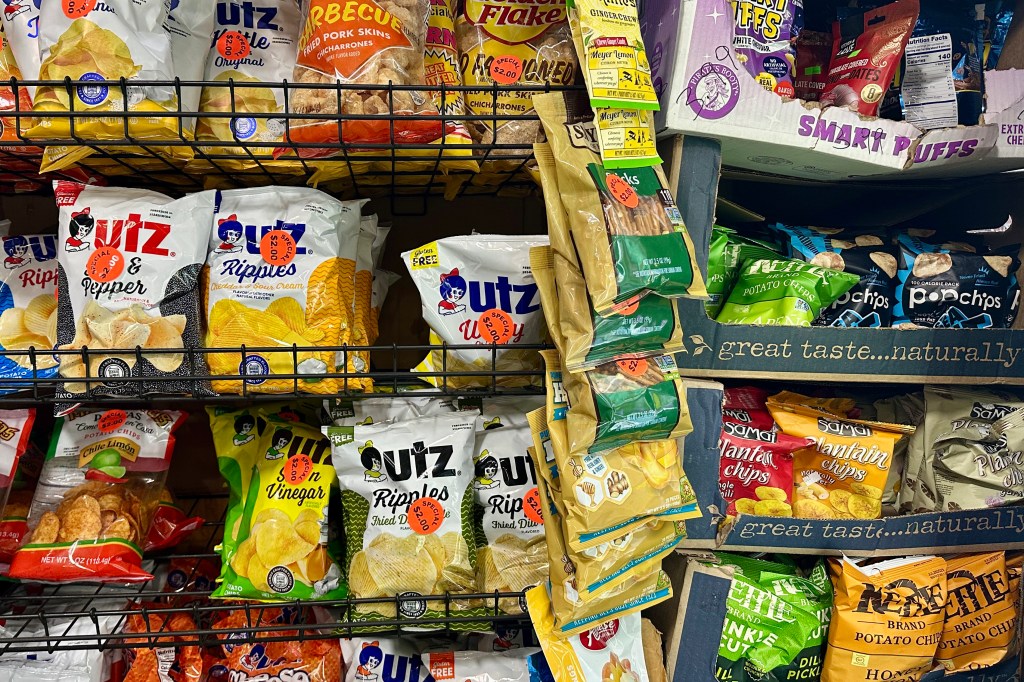
The issue is so big that it constitutes a global trend. Many countries have been limiting imported goods, hoping to spur reliance on domestics. As Broz sees it, this is a response to the earlier trend of globalization, which opened up countries to the world but also brought hardship at home.
“You’ve heard of manufacturing jobs disappearing due to globalization, technological change and automation,” Broz said. “Those jobs weren’t replaced or, if they were replaced, they were with a lot lower wage jobs in the service sector.”
The benefits of globalization were for all of us to enjoy cheap prices and an amazing variety of products from all over the world.
“In terms of the job market, there were some very distinct losers,” Broz explained. “And those losers are now the backbone of the populist, anti-globalization movement which supports increasing tariffs.”
And, as is so often the case, the ones left picking up this problem’s tab are those with the least cushion to do so.
“We are struggling,” says Frank Marte, president of Bodega Small Business Group, which advocates for bodegas. “The tariffs are hurting the community and everyone here.”
However, in the face of adversity, Marte believes in the resilience of bodegas.
“We are going to be surviving,” he said. “That’s what we’ve been doing for years.”
 Dreams Are Made Of
Leave a reply to Fingers Double Crossed Cancel reply