Text by Daniel Vigil, Images courtesy of Erin Neitzel.
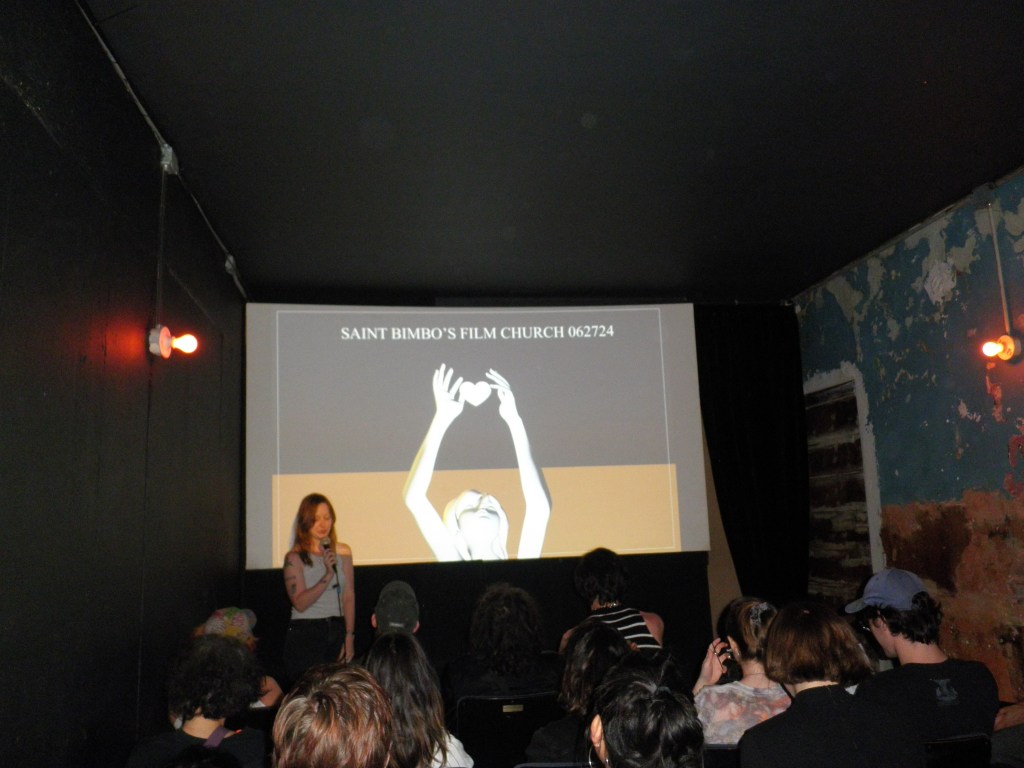
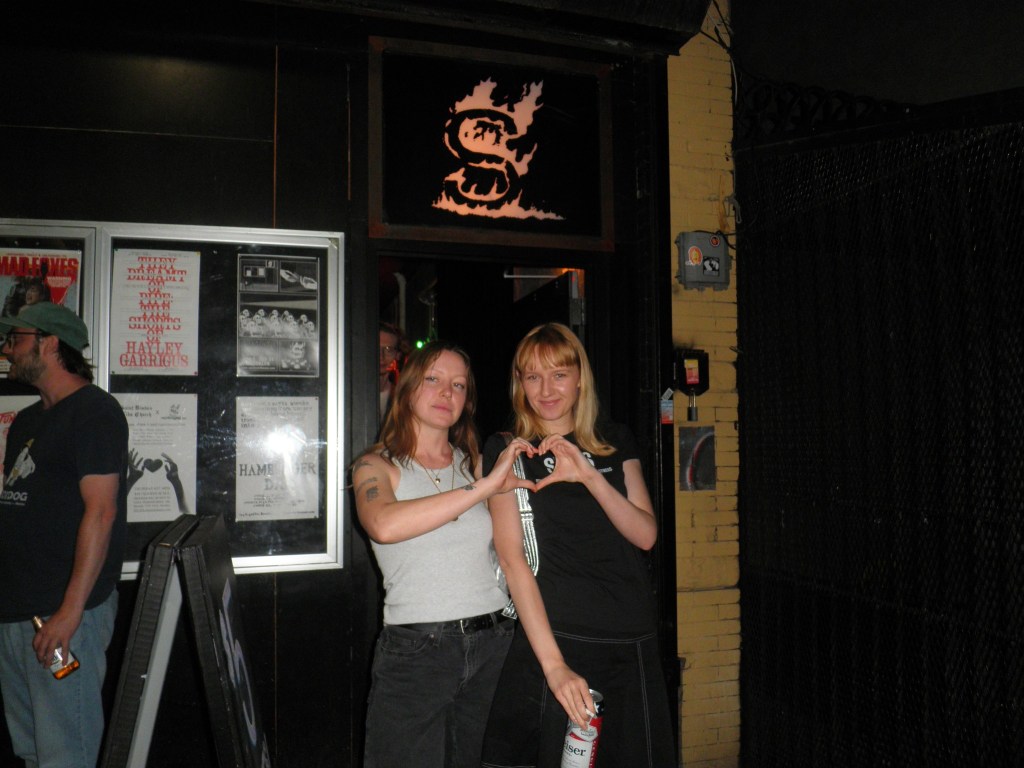
Saint Bimbo’s Film Church is exactly what it sounds like: a vagabond New York City film series on the quest for uplifting DIY filmmakers and experimental media.
After graduating from the University of Colorado, Boulder with a degree in film production, Erin Neitzel moved to New York City. That was just six months before the pandemic. She found work as an archivist and projectionist at renowned film institutions like Metrograph, Anthology Film Archive, and the Downtown Community Television Center.
After the pandemic-induced “social starvation,” Erin began programming the film series centered around bringing together like-minded creatives for in-person screenings of their less conventional art.
As an experimental filmmaker, she largely curates films that include mixed media, mixed genres, analog and antiquated digital techniques. This unique programming is as unconventional as it is vital to filmmakers who are themselves unconventional.
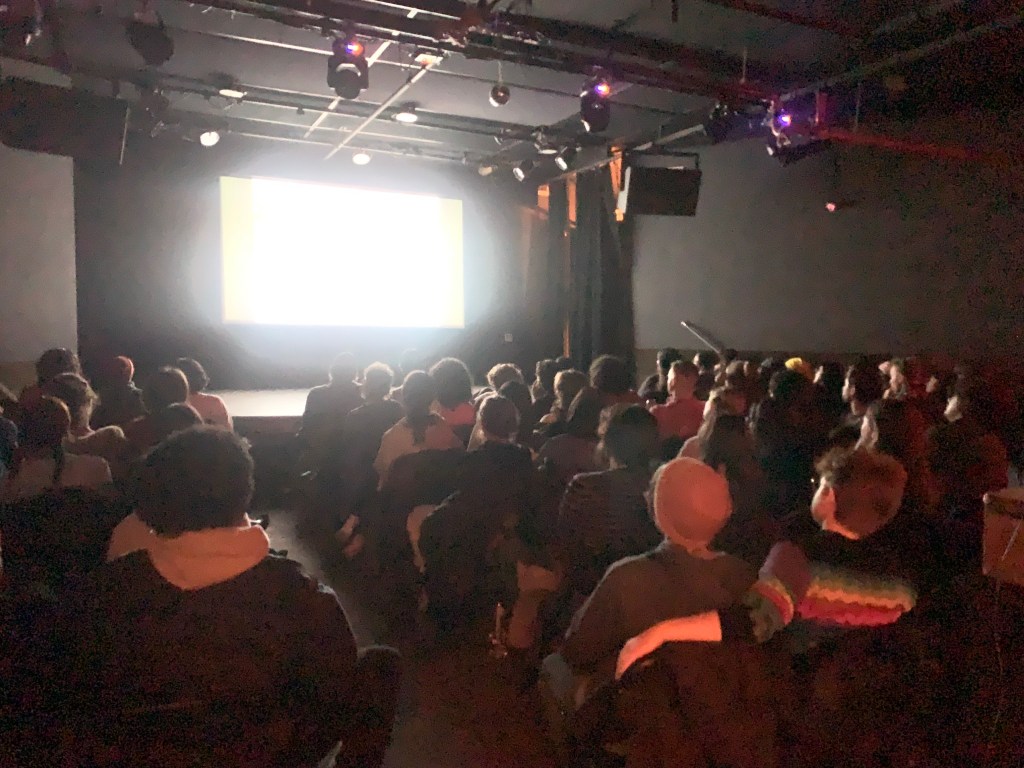
With the series not having a dedicated home, much of the fun comes from finding micro-venues in the city to host her series. Events have taken place at Spectacle Theater, Stone Circle Theater, 3 Dollar Bill and other venues.
You mentioned the Film Church is centered around “accessible exhibition opportunities for DIY experimental artists.” Can you say a little bit more about what that means?
The festival circuit for film can be a very degrading process. It’s lengthy and expensive, and in many ways, it’s not conducive to a more casual method of sharing films. It serves a different end, which is good and should also exist, but I really just wanted a salon, like a 19th century Viennese salon, a space where people can come share things that they’ve made and are working on.
I like collecting a lot of different types of media, anything that feels like people are just trying to experiment with what a film is. What is a piece of media anymore? In this year, in this day and age?
Can you walk me through the film submission process? What does the curation process look like?
I feel like every time, it grows a little bit. I have a bucket on my website that’s open all the time. People send me things. When I’m planning a show, I’ll put out a call. I’ll basically take everything in that bucket of film that I’ve collected since the previous show, watch all of them, and then pick my favorite ones.
I feel like these things only work when they’re guided by one sense of taste or else they get too eclectic.
Are they typically from people in New York or are there international submissions?
I try to keep it to New York. I get submissions from all over because, obviously, on the Internet, everything has a far reach.
I try to keep it to New York because the point of these shows is to have the filmmakers be able to come and meet people. I feel like people in a place and a time develop a better language for expressing themselves when things are spatially located.
Things can develop a language on the Internet as well, but then that’s its own thing. That’s separate from people in a city in a time and a place expressing themselves.
Can you talk about the DIY microfilm community as it stands? I’m curious how you think Film Church fits in and then sets itself apart.
Ever since Covid, I feel like things have really blossomed.
Lots of people are working on projects similar to this. Just the other night, my friend started this new program called Alcove Cinema. These things work best when there’s a really concentrated amount of pace – like one or a few people curating these programs. I think that’s what makes them interesting to people. to go see: seeing one singular expression of what someone thinks is a film worth watching in 2026.
Film Church is unique in that it’s just my taste.I really prefer non-narrative, experimental video art. I think now, when there’s so much everything everywhere all the time, one of the most valuable things you can find in terms of art is good curation. It’s really what people want, and that’s what cinema can bring to people.
A micro-cinema is just a designation that describes its accessibility to the people running it.
Jumping off of “people seeking good curation,” I’d love to hear how your work at other independent theaters here in New York, such as Metrograph and Anthology Film Archive, may have influenced your curation.
Oh, Anthology is such an incredible institution. Anthology is like a school. You can learn so much about cinema by just going to that place every single day.
And the kind of cinema that I’m specifically interested in, in terms of people experimenting with what an image is and what a story is … for not a lot of money – but it’s kind of like a temple to 20th century experimental media.
Metrograph has great curation. I think Metrograph is interesting because they’ve really proven that any cinema project can flourish when someone finds their perfect niche. Maybe they influence me the most because there are things that I see there that I want to find.
Film Church is how I find them.
You’ve worked on a couple of films yourself. It seems as though the last pieces you worked on were in 2024. Are you working on anything right now?
I shot this film in early 2025 that’s just still in production. I’m a very slow editor. I feel like with certain things, I’m maybe too methodical.
For a while, I wasn’t working on anything, because most of my creative energy was just going into running Film Church.
I would like the film to be on track to release over the summer. It’s going to be a short film, not a feature-length release. I want to do a multimedia installation related to the film that will be at some point over the summer.
 Dreams Are Made Of
Leave a comment