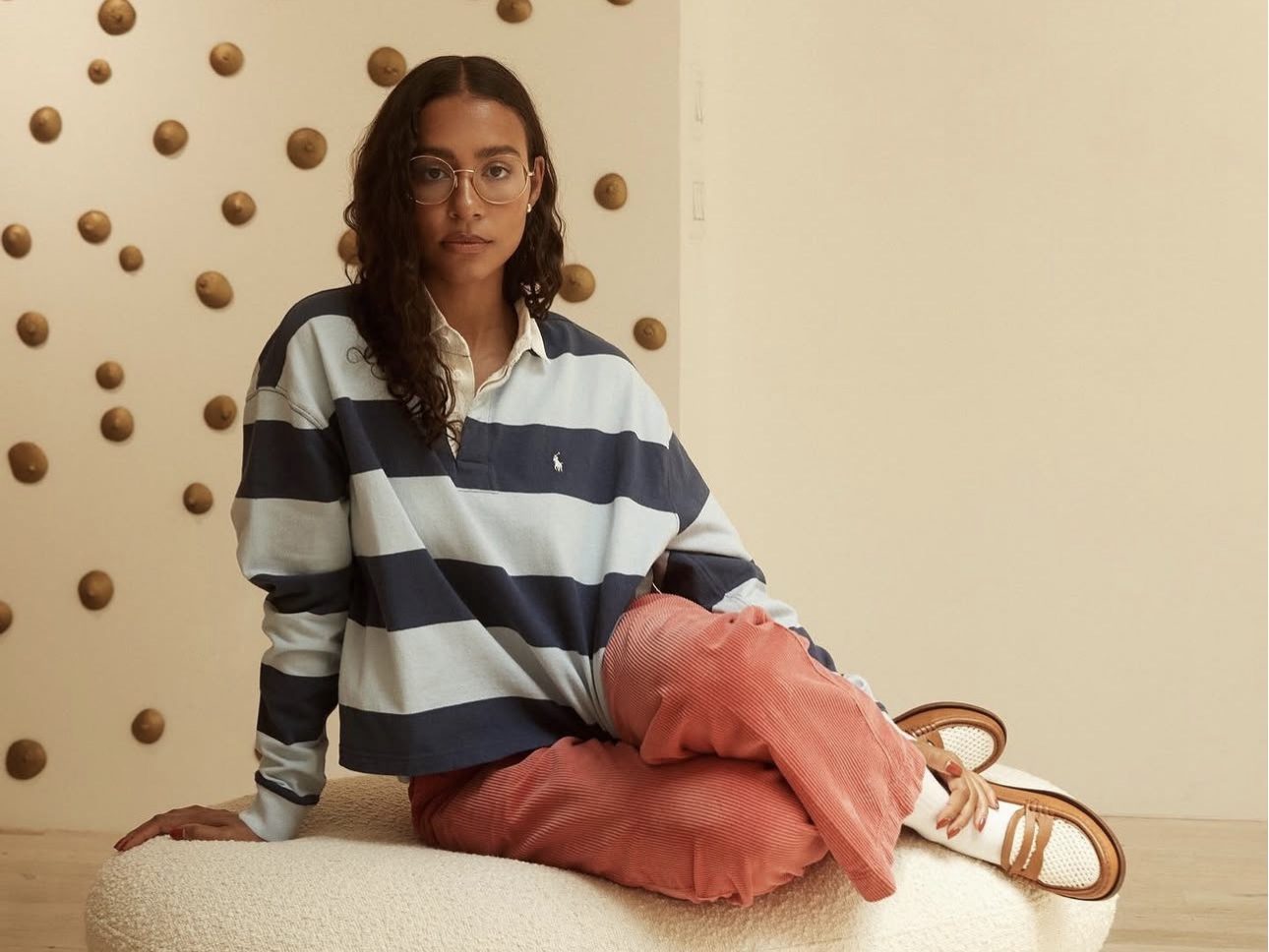
Text by Sage West.
Hannah Traore opened her namesake brick-and-mortar gallery in Manhattan’s Lower East Side when she was just 26-years old.
The gallery, which she calls “HTG,” opened its Orchard Street doors in January 2022 to platform historically marginalized Black, brown and queer artists.
Four years and 25,000 Instagram followers later, the gallery has exhibited dozens of artists and now represents several multimedia artists, including Camila Falquez, whose vibrant images have been featured in Vogue Magazine and the Museum of Modern Art.
We spoke with the Canadian curator about her space and her mission, and the big things she has coming up.
Tell me about what it was like opening your gallery. Describe the process.
The process was long and very involved. It was only me, and there were a million things that you have to do to open up a brick-and-mortar space.
I started off doing tons of research and asking people in different industries if I could just talk to them, people in the art world, people outside the art world, giving them my idea and asking for their advice. I wrote notes and learned at least one thing from every single person.
Sometimes people say, ‘Don’t tell anyone what you’re working on. Keep it close to you.’ I actually have the opposite philosophy because I think when you tell people what you’re doing, they can keep their eyes and ears open in case there’s a way to help you. It was that way, I ended up finding two business consultants.
What kinds of works are featured in the gallery?
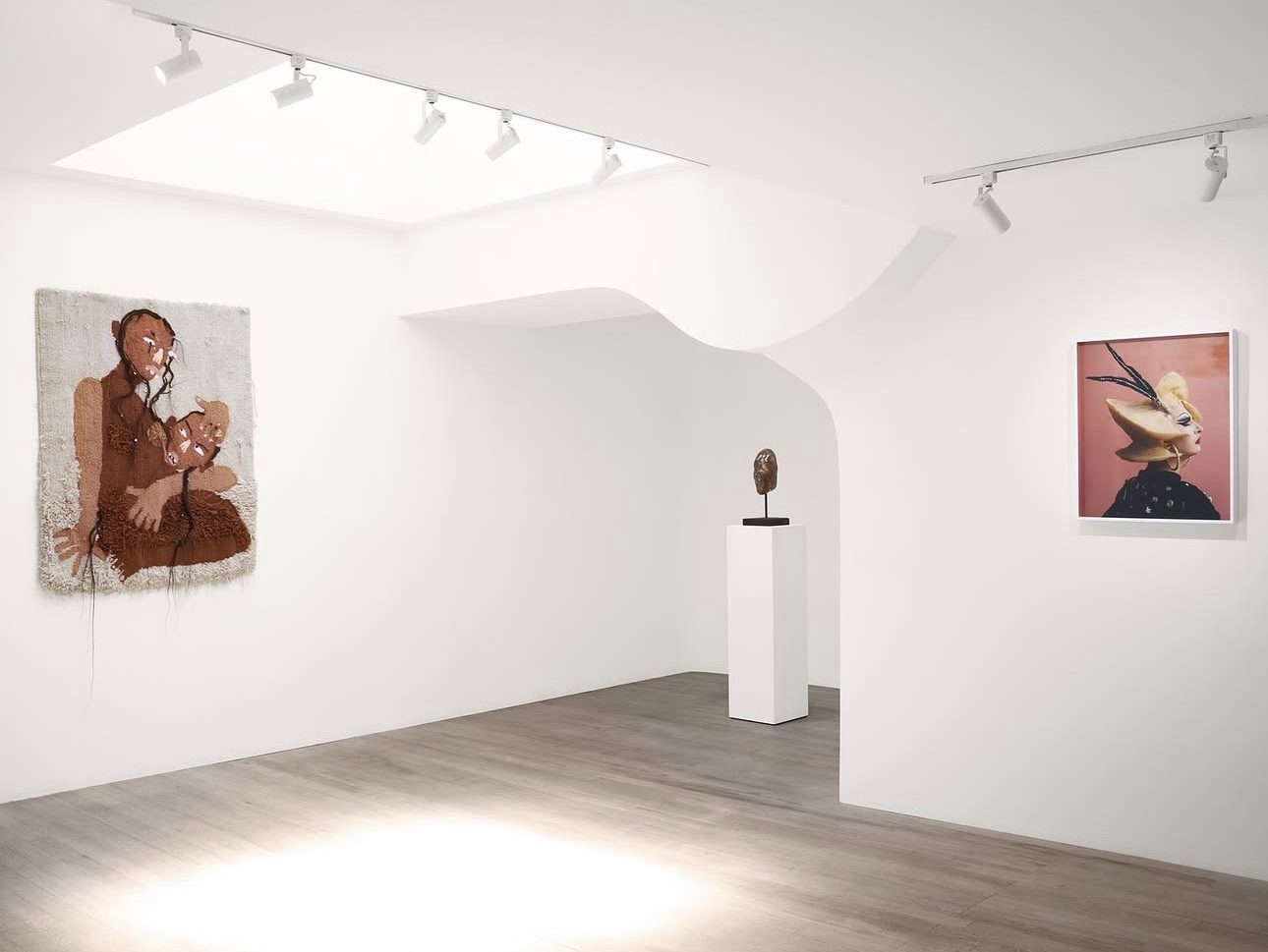
We show everything. We show paintings, sculpture, photography, performance, video.
We’ve really done it all, which is really fun for me. It sounds so cheesy but because it’s such a small gallery, it’s really my vision and taste. That’s expanded to my team. I really trust my team. So, I bring artists to them and see what they think, and they bring artists to me.
It’s almost like we have a DNA, and it’s hard to explain what that is. I get really excited by work I’ve never seen before, someone doing something really different, like our artist James Perkins, who created a completely new process in making work. Or Camila Falquez, who, no matter where her photography is, no matter if it’s in a magazine or on the wall, you know it’s hers because she has such a clear kind of soul in her work.
What was the intention behind centering underrepresented Black, brown and queer artists?
I like to talk about that less now, only because I feel like the work speaks for itself.
I think it was important to talk about that at the beginning because that is what we do. That is who we show, but that was never why we showed them. So, yes, we show underrepresented groups – people of color, queer artists, indigenous artists, immigrant artists, but it was always about the quality of the work. And then they happened to be from those groups.
It was really because I noticed that galleries – still in 2022 when I opened – were still predominantly white, straight, and male. Especially in 2020, I feel like a lot of galleries really tried to show more Black artists, but many of them did it in a very performative way. It was very obvious that they were checking a box.
As a Black woman, I don’t need to prove anything. I just wanted my artists to feel seen for their work and not for their identity because again, I wasn’t checking a box.
How did you become a gallerist? Did you study art? Talk about the journey that led you here.
I studied art history in college. And I always assumed that I would go get my master’s or PhD and then open a gallery. One, because I love school. So, that was my plan.
My first job out of college, I was working for my mentor in Toronto, where I’m from, Kenneth Montague. I curated a show for him, then moved to New York for a year-long curatorial internship at MoMA in the painting and sculpture department.
I mean, it’s a little more complicated. Like, there was a time when I wasn’t allowed back (into the U.S.) because of visa issues. My parents were like, ‘OK, well, if you can’t get back in, maybe you should open the gallery you wanted to open.’ So, when the pandemic hit, I was like, ‘You know, I have this idea, and it’s more developed than I had given it credit for.’
I always say to myself, ‘You’re not ever ready to do something like that until you do it.’ Like, you’re just not. So, I decided to start working on this project.
What is it like to work in an industry not often represented by Black and brown faces, let alone Black women?
I could talk about the struggles of that, and believe me, there have been, but overall, I actually think that being a Black woman in the industry has been such a blessing. It has given me community. In terms of both mentors and peers, I feel like there’s this camaraderie that I don’t really think, I mean, I don’t know, but I don’t think I would have had if I wasn’t Black, and then even further than that, a Black woman.
So, yes, there’ve been struggles but I actually think that the positives have outweighed the negatives.
What’s coming next? What are you looking forward to in the gallery’s future? Is there anything we can look forward to that you can share?
I’m just looking forward to continuing building what we’ve already built together with my artists.
I was just with the artist I represent, Camila Falquez. She has 20 beautiful photographs, well, one photograph in 20 different places all around the city on bus stops, which is so exciting. We went with the model and popped champagne. So things like that are really exciting.
Earlier this year, we celebrated selling three of her works to MoMA. Last year, I celebrated getting James Perkins’ first solo exhibition at a museum. We just closed Misha’s second solo show at the gallery, Misha Japanwala.
I feel so lucky. These artists are artists who have been with me from the beginning, and I feel like we’re really building something together.
So, I’m just looking forward to continuing that and seeing what we can do together.


Leave a Reply